The complete social skills & daily living program, built for yeshivos
Lessons and printables, tests that mark themselves, daily goal sheets that go home and come back, IEP goals and service hours, parent reports and therapist session notes, all in one place. Built by a menahel and used in a real yeshiva classroom.
Look around our Demo School right now, no sign-up. Nothing you do there is saved.
English and Yiddish throughout. Each school’s data stays private.
Demo School
8 curriculum units
English & Yiddish
Works on tablets
Private for each school
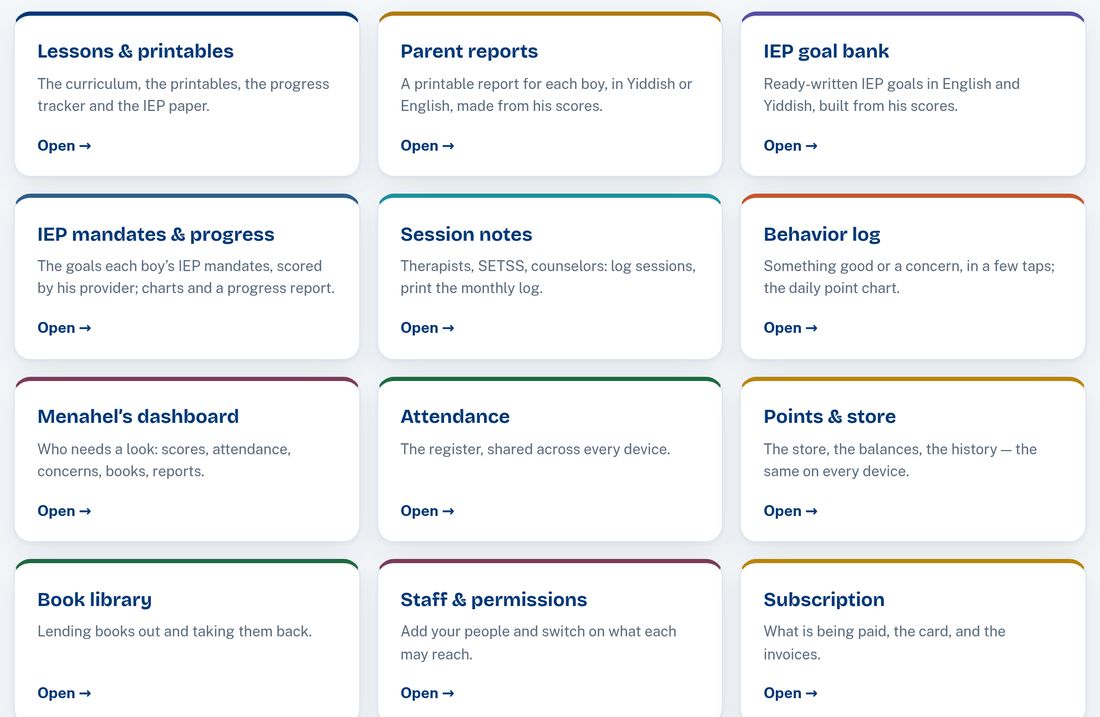
Everything in one program
From the lesson plan to the IEP meeting
One sign-in for the rebbeim, the providers and the menahel. Each person sees what they need, and nothing they don’t.
8-unit curriculum
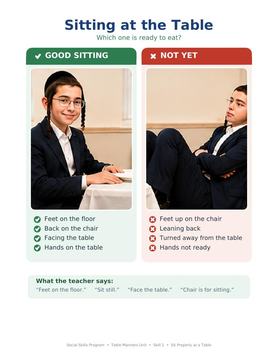
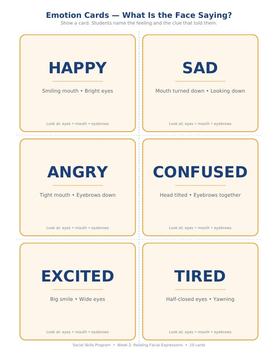
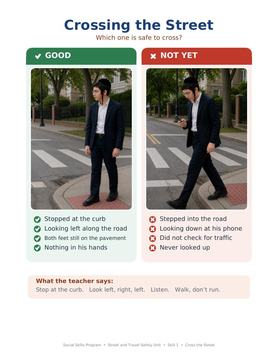
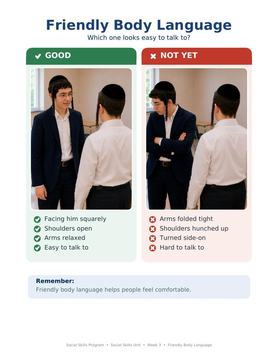
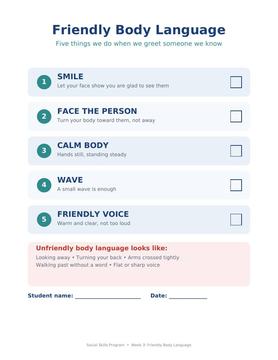
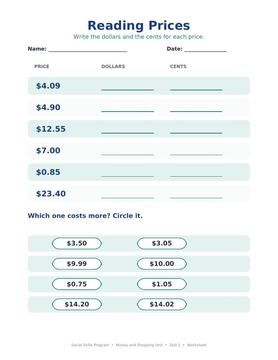
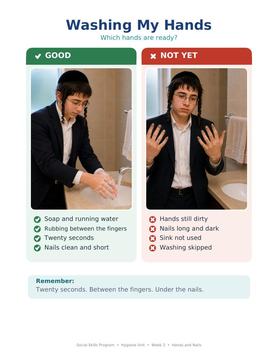
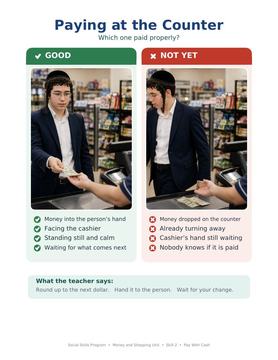
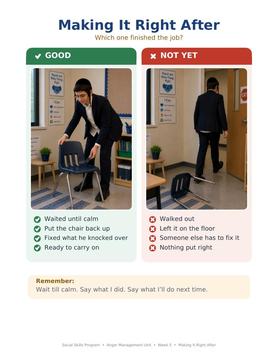
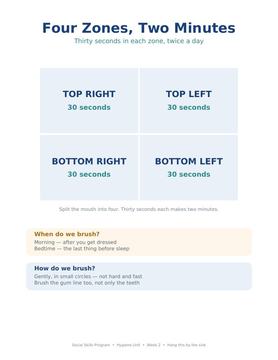
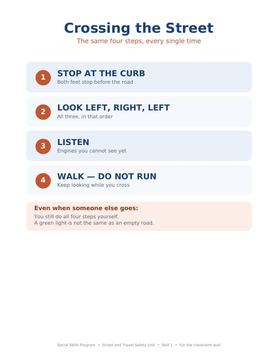
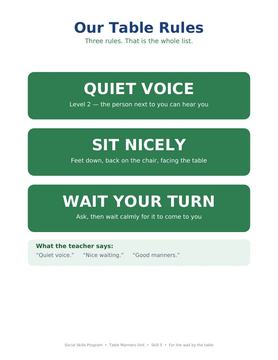
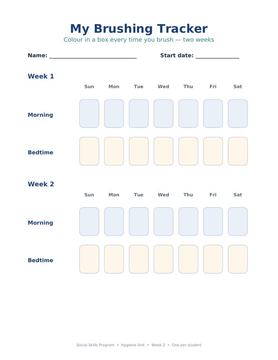
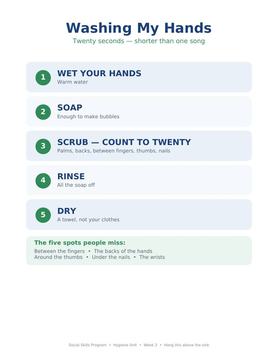
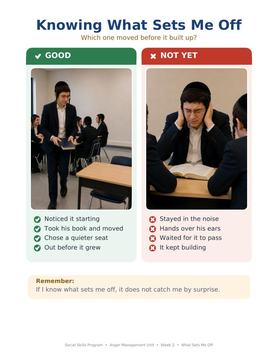
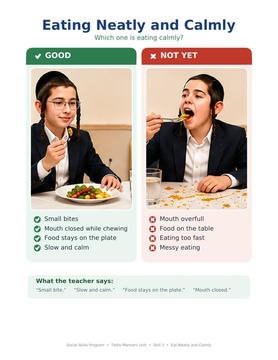
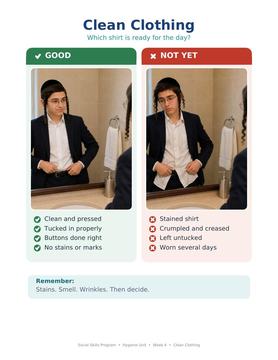
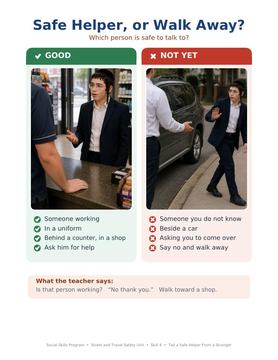
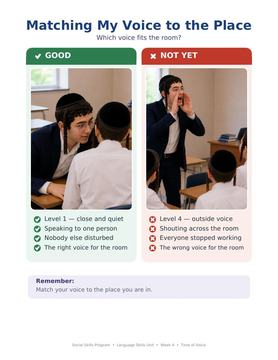
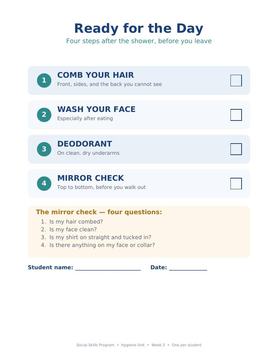
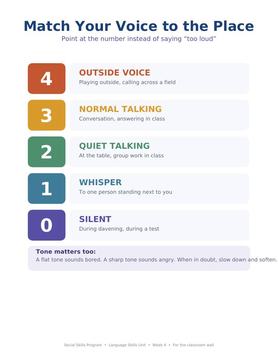
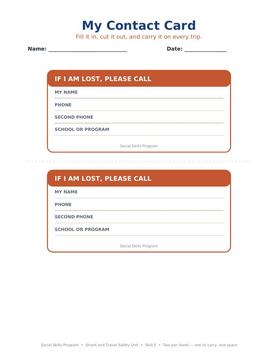
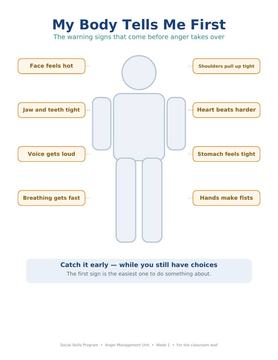
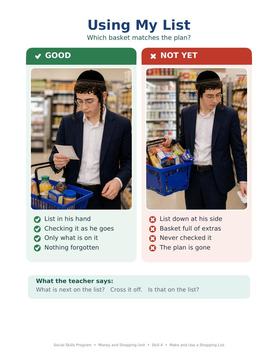
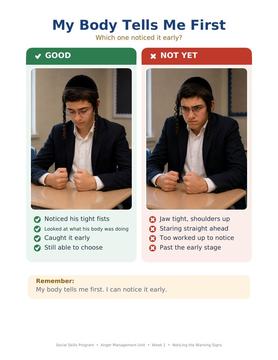
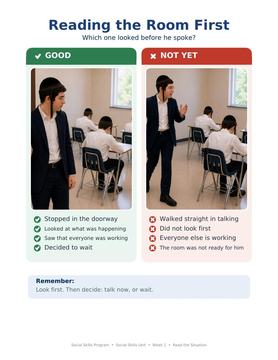
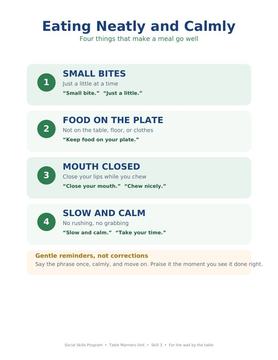
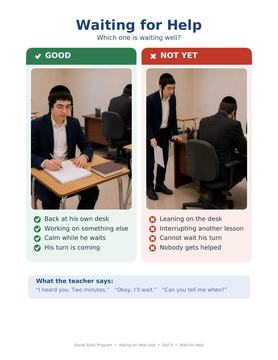
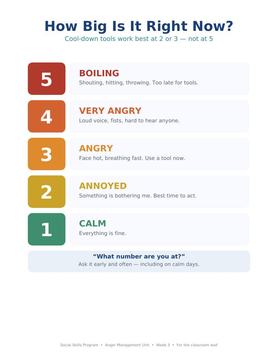
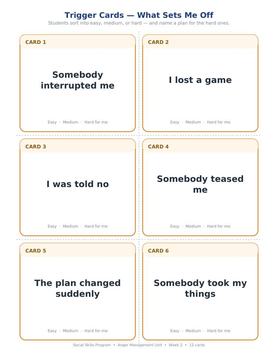
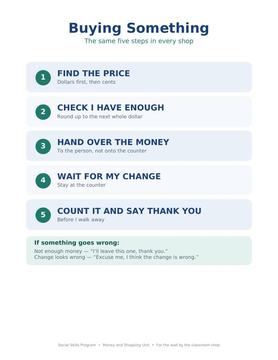
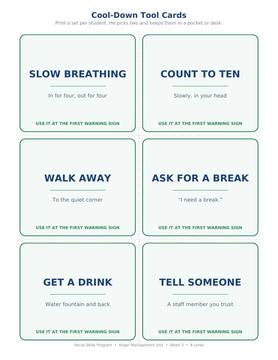
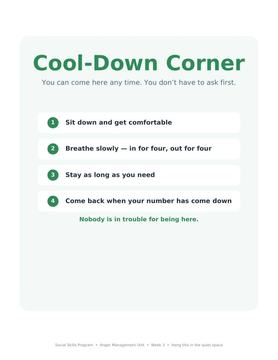
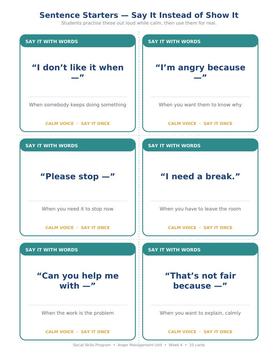
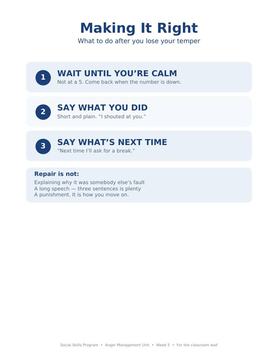
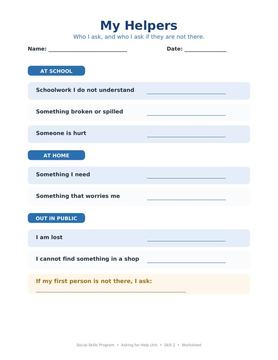
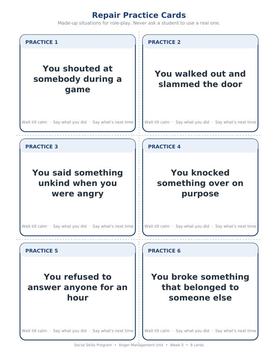
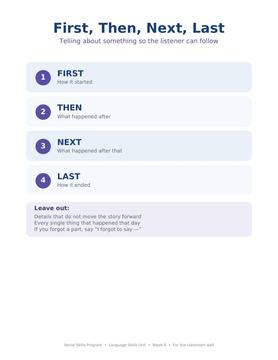
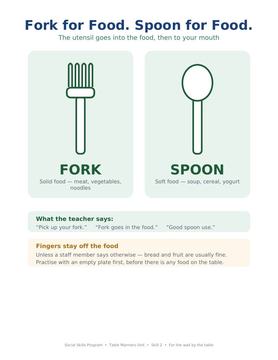
Lesson plans, printables, visuals and a send-home sheet for every lesson. Each unit runs the same shape every week, so the boys always know what is coming.
Social awarenessLanguageAnger managementHygieneTable mannersMoneyAsking for helpStreet & travel safety
Tests that mark themselves מבחנים
Type the answer key once. Photograph a boy’s test and the multiple-choice, true/false and fill-ins are marked for you; you check the written answers. The mark goes to his profile and to the kinyan board.
Daily & weekly goal sheets
Each boy’s own goal sheet prints itself every morning before school. Parents sign it at home, you scan it back in, and the marks land in his records.
קנין הלימודים board
The learning board for the hall screen: every boy, every parsha, chumash, Rashi and tests, filled in from the tablet and shown live in the hallway.
Skill scoring & progress
Score each skill once a month and see every boy’s progress across the year at a glance.
Checks & screenings
Quick kriah, rhyming, memory and attention checks, and a screening for OT, PT and speech referrals, kept with each boy.
IEP goals, mandates & progress reports
Ready-written goals in English and Yiddish, the goals each IEP mandates, scored by the provider, charted, and printed for the IEP meeting.
Service hours vs. mandates New
SETSS 3×30, speech, OT: sessions given against what the IEP requires, make-ups owed, a red flag when a boy falls behind, and a signed monthly service log.
Session notes for therapists & SETSS
Log each session in a few taps, pick the IEP goals worked on, and print a monthly log with an attendance summary.
Parent reports, Yiddish or English
A warm one-page report for each boy, made from his scores, with room for the rebbi’s own note. Print or save as PDF.
Behavior log, points & store
A quick note for good behavior or a concern. Points the boys can see, and a real store counter to spend them.
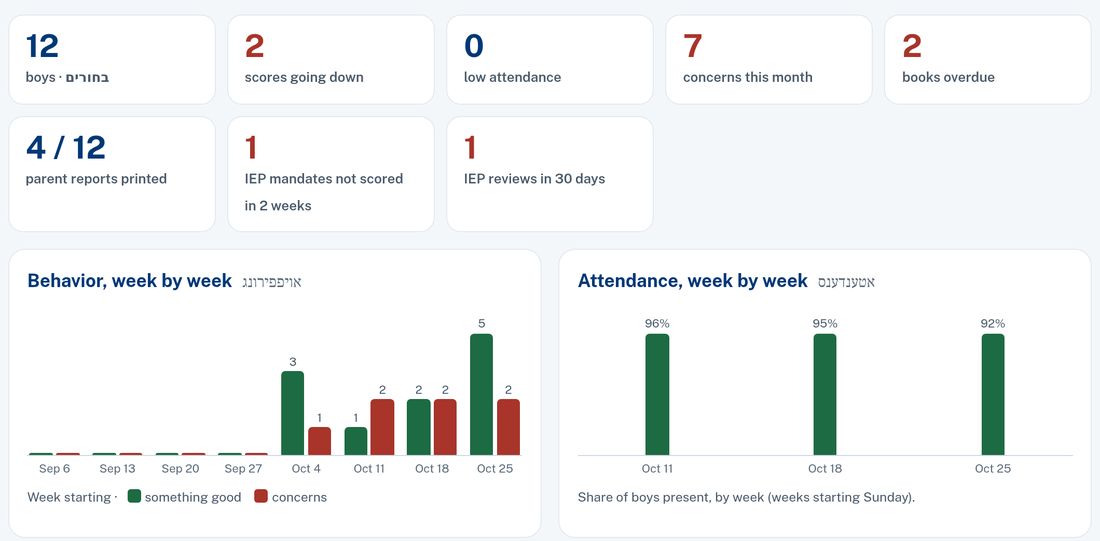
Attendance & menahel dashboard
Take attendance in a tap or by scanning cards. The dashboard shows which boys need a look: dropping scores, absences, concerns, boys behind on services.
Start of the year → now New
The impact report: first scores, tests and behavior of the year beside the latest, for a boy, a class or the school. One page for the board, donors or parents.
Book library
Scan a boy’s card and the book he takes. See who has what, and which books are overdue.
A look inside
See progress, not just paperwork
Real screens from our Demo School. The students are made up; the tools are the same ones your staff will use.
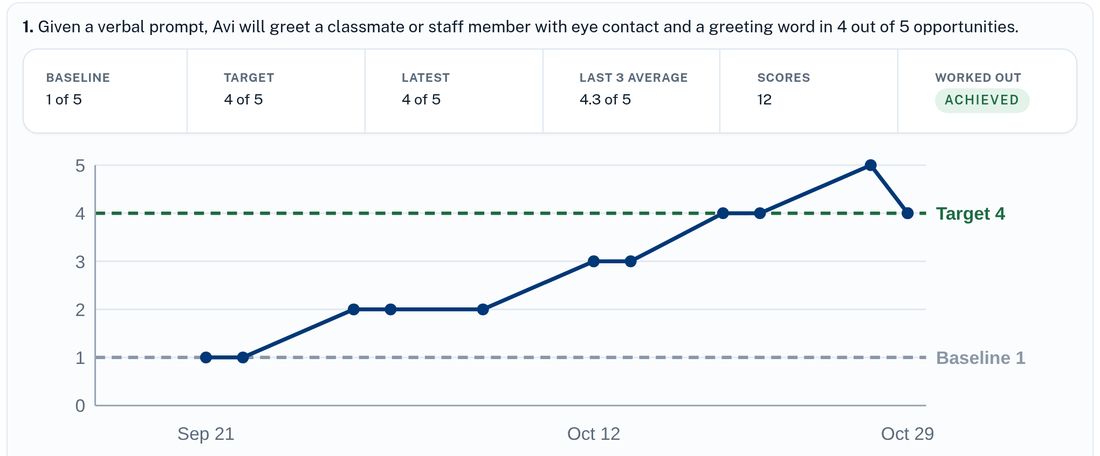
IEP mandates, scored and charted
Enter the goals from each boy’s IEP once. His provider taps a score at every session, and the chart shows where he started, where he is, and the target.
Trials, percent, frequency or a 1–5 rubric
An automatic progress label you can edit
A printed progress report for the next IEP meeting
From the Demo School. Every name is made up.
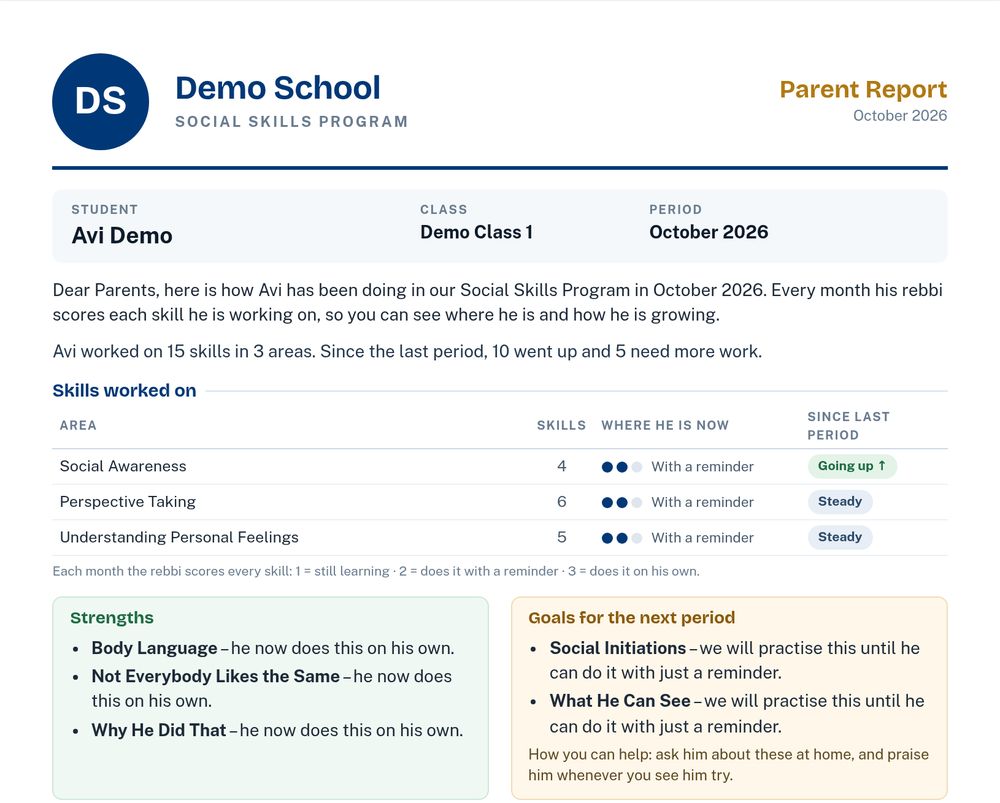
Parent reports in one click
A warm one-page report for each boy, built from his scores: what he worked on, how he is moving, his strengths, a goal or two, and his attendance.
Yiddish or English, with your school’s name on top
Room for the rebbi’s personal note
A whole class prints as one PDF. Nothing is sent automatically
From the Demo School. Every name is made up.
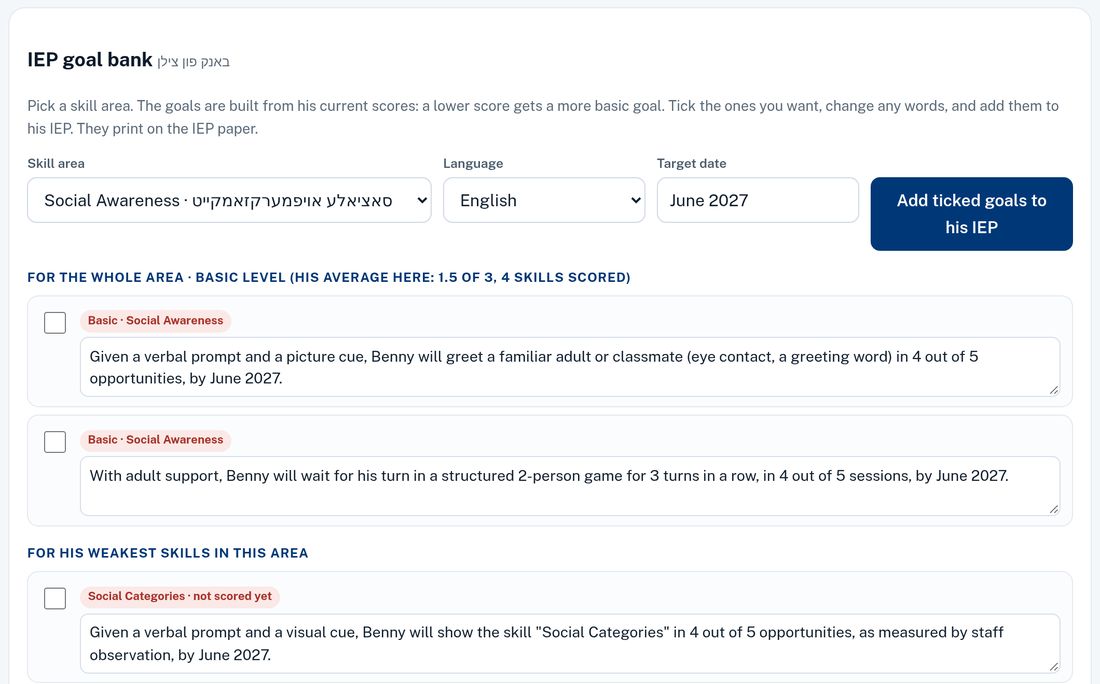
IEP goals, already written
Pick a boy and a skill area, and the goal bank suggests measurable goals built from his current scores. Tick, edit, and they go straight onto the IEP paper.
Every area of the curriculum, in English and Yiddish
Lower scores get more basic goals
Each school can add its own
From the Demo School. Every name is made up.
Session notes for therapists & SETSS
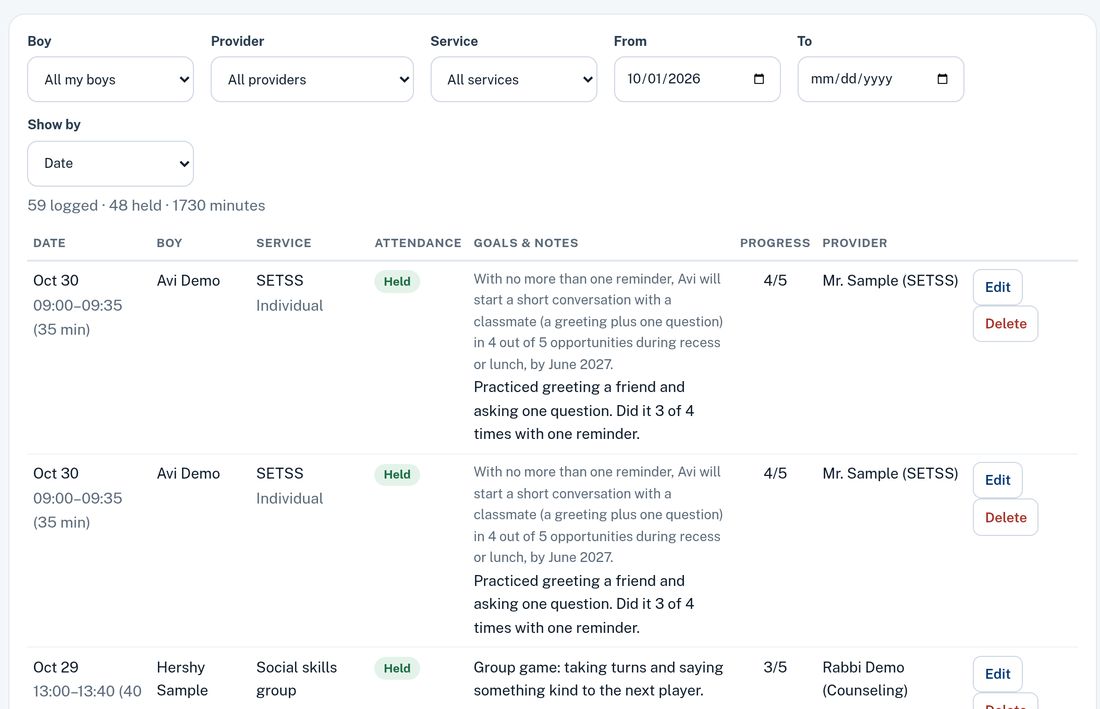
Providers log each session in a few taps: date, times, service, the IEP goals worked on, notes and a progress rating. A provider only ever sees the boys he was given.
Filter by boy, provider, service or date
A monthly log per boy, ready to print
From the Demo School. Every name is made up.
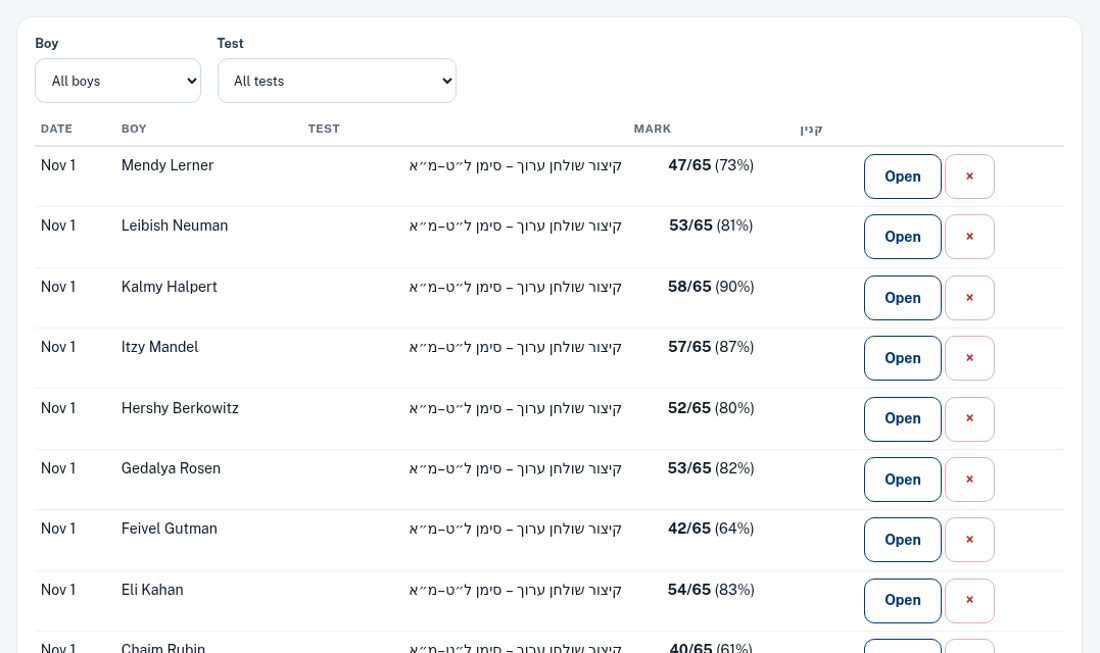
Tests that mark themselves, goal sheets that come back
Type a test’s answer key once. Photograph each boy’s paper and the site marks it; you check and save. Every morning each boy’s goal sheet prints by itself, goes home to be signed, and is scanned back in.
Multiple choice, true/false and fill-ins marked for you
Marks go to the boy’s profile and the קנין הלימודים board
Daily or weekly sheets, Yiddish or English, skipping Shabbos and Yom Tov
From the Demo School. Every name is made up.
Service hours against the mandate
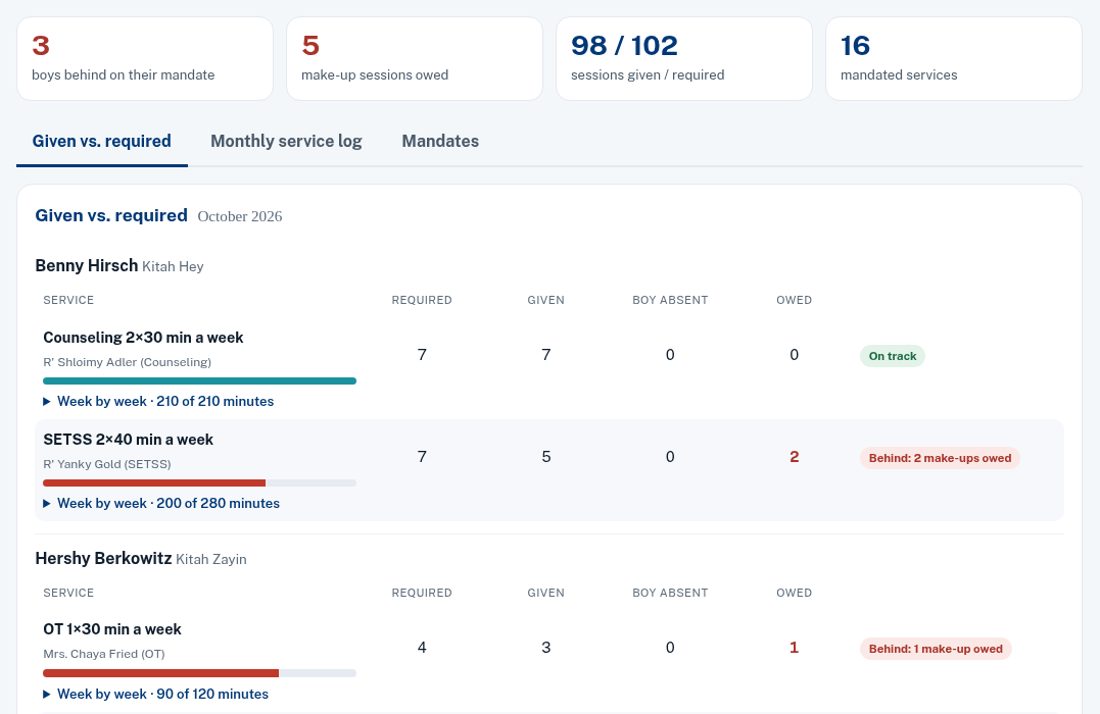
Enter what each IEP mandates once, SETSS 3×30, speech 2×30, OT. Every session logged counts against it, so you see who is behind before an audit does.
Given against required, week by week, with make-ups owed
A red flag on the menahel’s dashboard when a boy falls behind
A monthly service log per boy and per provider, signed on screen
From the Demo School. Every name is made up.
Start of the year → now
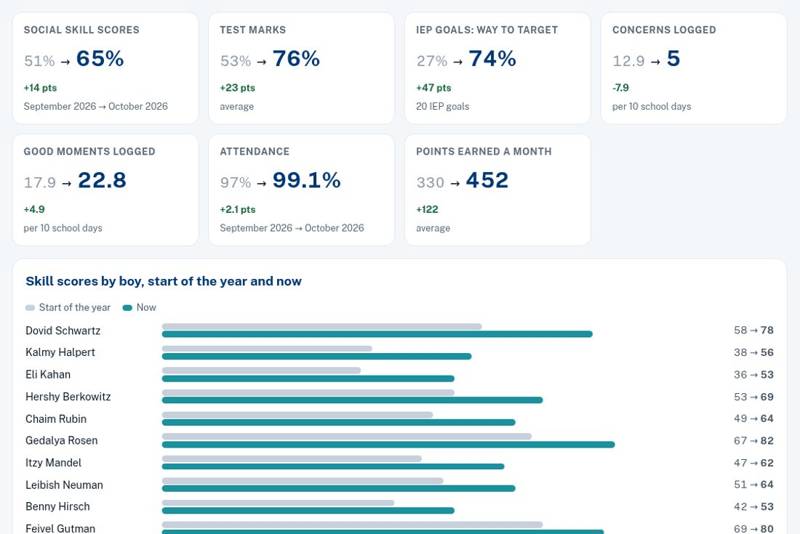
The impact report puts the first scores, tests and behavior of the year beside the latest, for one boy, a class or the whole school.
Skill scores, test marks, IEP goals, behavior and attendance
One printed page in English or Yiddish
For the board, donors and parents
From the Demo School. Every name is made up.
The menahel’s view
One page shows which boys need a look this month: scores going down, low attendance, behavior concerns, boys behind on their services, overdue library books, and parent reports not printed yet.
From the Demo School. Every name is made up.
How it works
Up and running in three steps
1
We set up your school
Your school gets its own private space with your name on it, your classes and your boys.
2
Your staff sign in
Rebbeim, providers and the menahel each get their own sign-in, on a tablet, a phone or a computer.
3
Track and print
Teach the lessons, score the skills, log sessions, and print parent reports and IEP progress reports.
געבויט פאר ישיבות
Built for yeshivos
Written by a menahel for boys in a chinuch setting, and taught in a classroom rather than a clinic. Everything parents and providers read comes in English or Yiddish.
Pricing
Two ways to use it
The full program runs your school’s tracking, IEP work and reports. The curriculum alone is just the lessons and printables.
For schools
Full program
From $200 a month
Everything included, for all your staff, in Yiddish & English. Start with a free 1-month pilot.
Small schoolup to 50 boys$200/month
Medium school51–150 boys$300/month
Large schoolover 150 boys$400/month
Everything on this page, for every rebbi, provider and the menahel
Tests, goal sheets, the kinyan board, checks & screenings
IEP goals, mandates, service hours and progress reports
Look around our Demo School yourself right now, or let us walk you through it and set up a free one-month pilot for your school. Email, call or text, whichever is easiest.
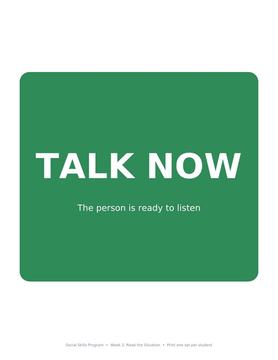
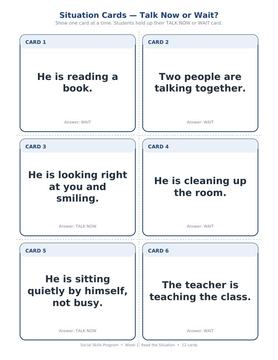
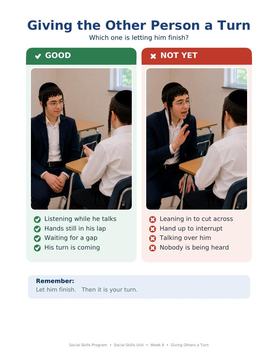
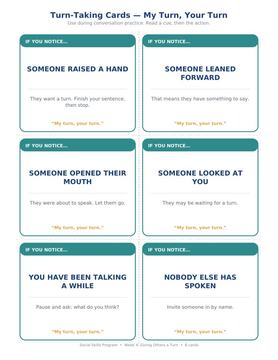
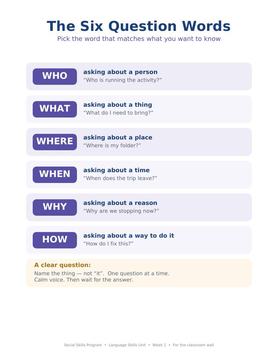
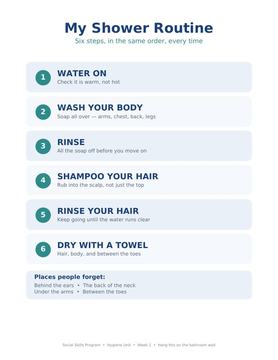
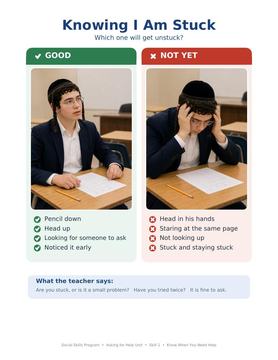
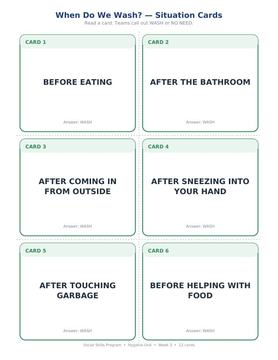
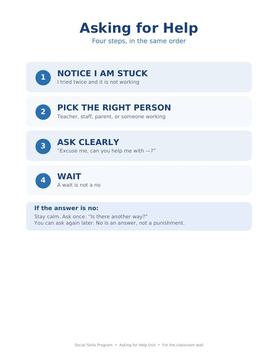
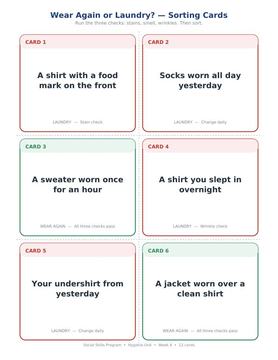
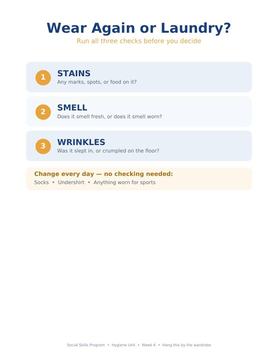
Every unit here is ready to run — the lesson plan, the wall charts, the
cards you hold up, and the competition that ends the week. Written for students
boys with special needs, and for the staff who teach them.